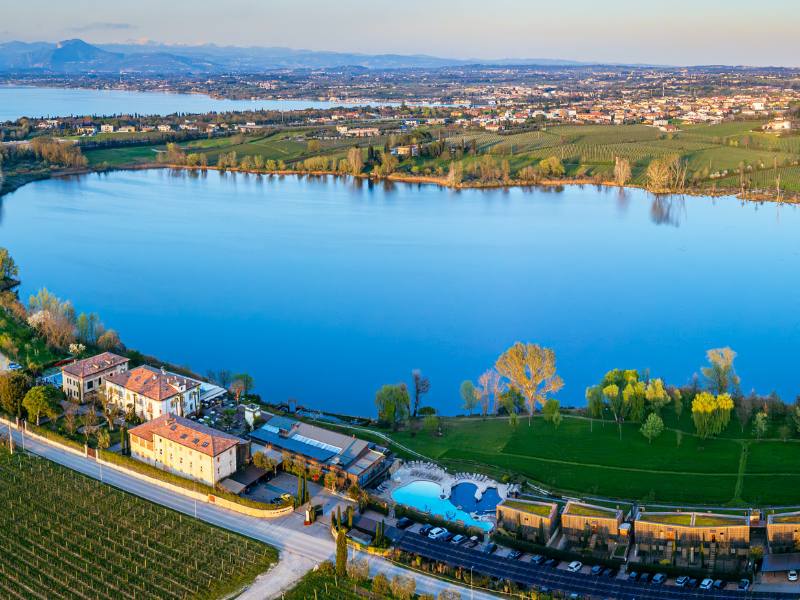
Lake Frassino, located in the municipality of Peschiera del Garda, is a glacial basin covering around 80 hectares. Although much smaller than the nearby Lake Garda, it represents an ecosystem of extraordinary ecological value. For this reason, it has been designated both as a Site of Community Importance (SCI) and a Special Protection Area (SPA) within the European Natura 2000 network.
Nestled among gentle moraine hills and just a short distance from Peschiera’s historic center, it is an ideal destination for those who love unspoiled nature, tranquility, and biodiversity.
A natural heritage to protect
Lake Frassino is mainly fed by springs rather than significant tributaries, which makes it a fragile yet balanced ecosystem. Its waters host rich aquatic vegetation, and its shores are lined with reed beds, willows, and poplars.
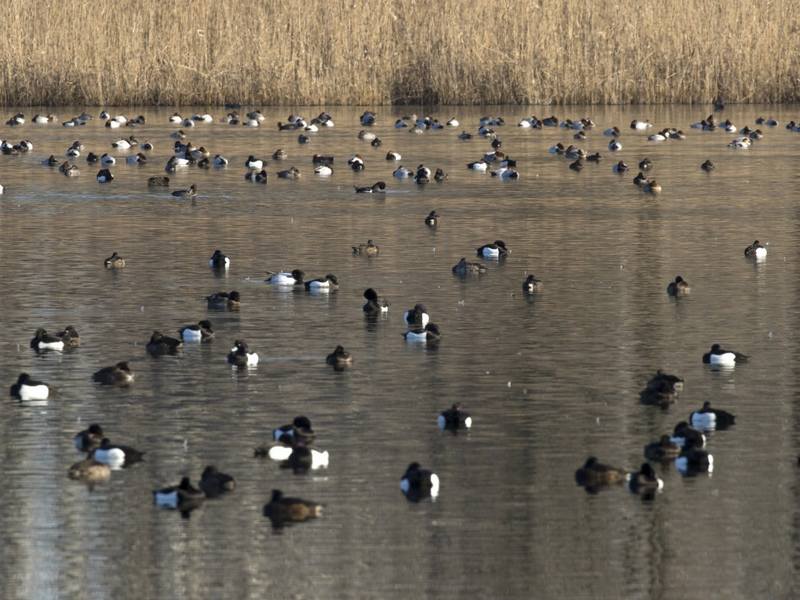
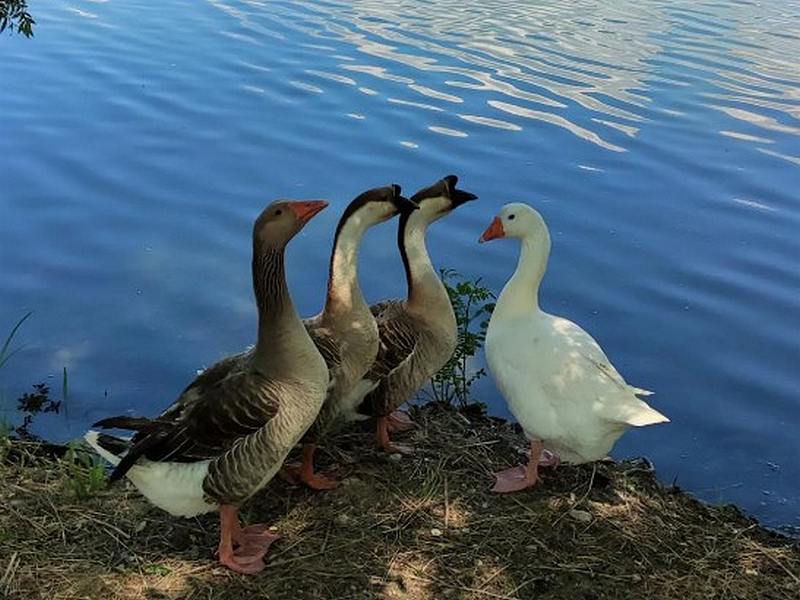
This diversity of habitats provides excellent conditions for many animal species, particularly migratory birds. The lake is considered an essential stopover and breeding site along European migratory routes. Grey herons, great crested grebes, cormorants, and many other protected bird species can be spotted here.
A UNESCO site for pile-dwelling settlements
Beyond its natural value, Lake Frassino also has great historical importance. Remains of prehistoric pile-dwelling settlements from the Bronze Age have been discovered in its waters and along its shores.
These settlements are part of the wider group of Prehistoric Pile Dwellings around the Alps, which were recognized as a UNESCO World Heritage Site in 2011. The pile dwellings are a precious testimony to the life of early communities, offering insights into construction techniques, social organization, and economic activities of that era.
Birdwatching
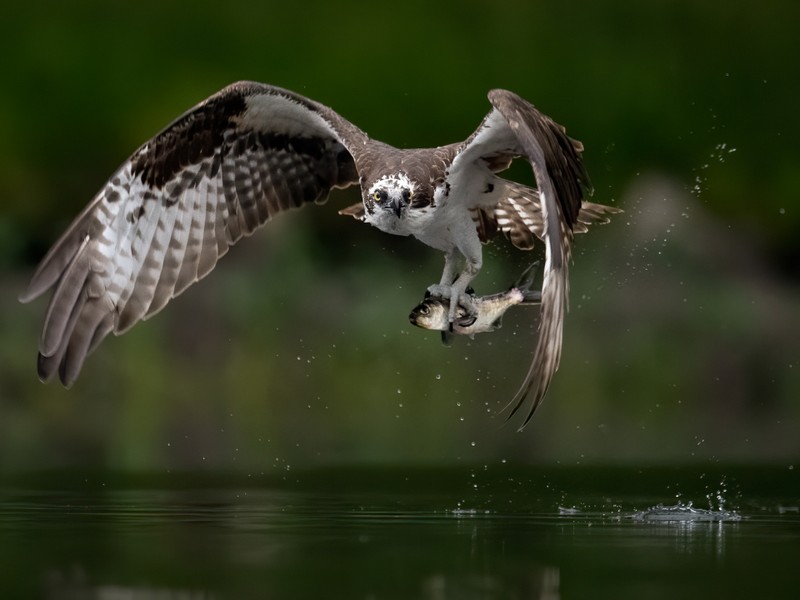
Lake Frassino is a prime destination for birdwatching enthusiasts. Its extensive wetlands, reed beds, and quiet areas provide birds with shelter and nourishment, especially during migration periods.
The managing authority and several environmental associations organize guided tours and educational activities to raise awareness about the importance of biodiversity conservation. With binoculars and patience, rare species such as the little bittern, marsh harrier, or red-crested pochard can be observed.
Walks and relaxation in nature
Although direct access to the lake is partly restricted for environmental protection, visitors can follow paths and country roads around the area. These routes offer scenic views of the moraine landscape, surrounded by vineyards, olive groves, and woodlands.
The serene atmosphere makes Lake Frassino a perfect spot for those seeking peace away from the busier Lake Garda. It is also a starting point for cycling routes connecting Peschiera with the surrounding hills.
Conservation challenges
Despite its beauty and international recognition, Lake Frassino faces ongoing challenges linked to human pressure. Urban development, intensive agriculture, and tourism have at times threatened the balance of its ecosystem.
Water levels, for example, fluctuate and may affect local flora and fauna, while pollution episodes have raised concerns about the lake’s resilience.
For this reason, local authorities, environmental associations, and European institutions are actively working on restoration and protection projects, ensuring that Lake Frassino remains a legacy for future generations.

The connection with Peschiera del Garda
The proximity to Peschiera del Garda’s historic center—recognized as a UNESCO World Heritage Site for its Venetian fortifications—makes Lake Frassino a culturally and touristically enriching stop. After exploring Peschiera’s bastions and charming old town, visitors can immerse themselves in the tranquility of the lake, experiencing both history and nature.
The surrounding area also offers plenty of accommodation, farm stays, and restaurants that showcase local specialties such as Garda Classico wines and extra virgin olive oil, making a visit here a delightful blend of nature and gastronomy.
A treasure to discover and preserve
Lake Frassino is more than a picturesque destination—it is a true natural and historical laboratory. Here, valuable ecosystems, world-class archaeological evidence, and the typical rural landscapes of Lake Garda come together.
Visitors have the chance to enjoy a unique experience while also bearing the responsibility of respecting and protecting this fragile balance.