Content
The atmosphere of the route: from light to twilight
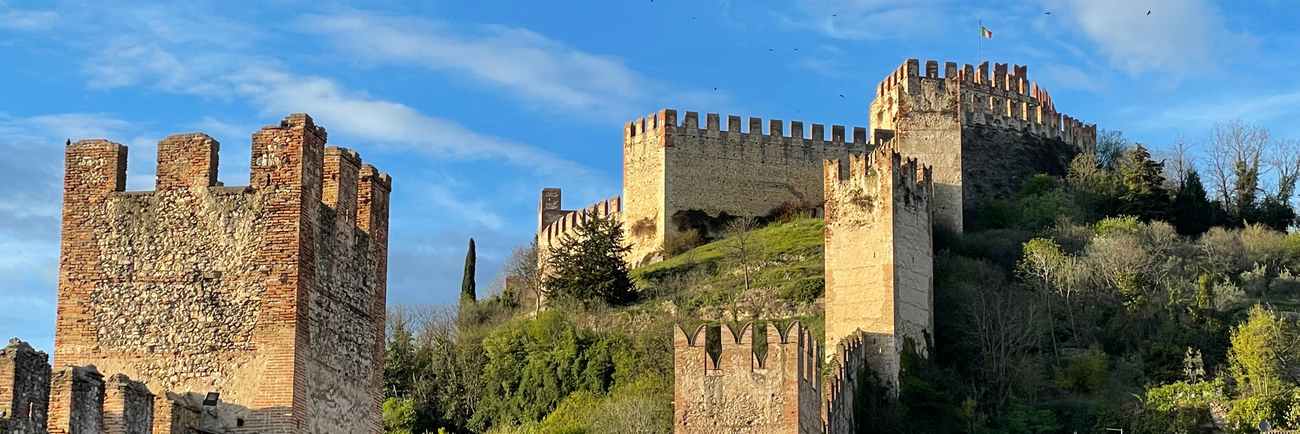
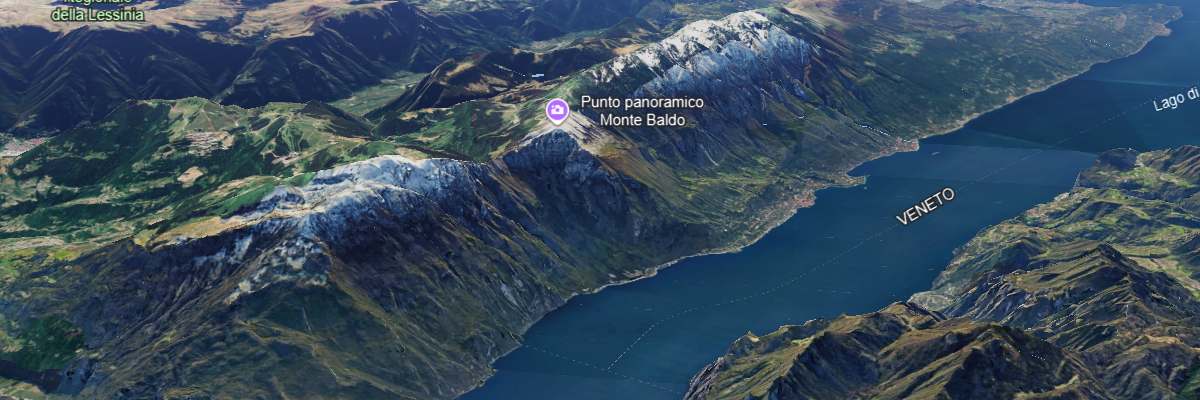
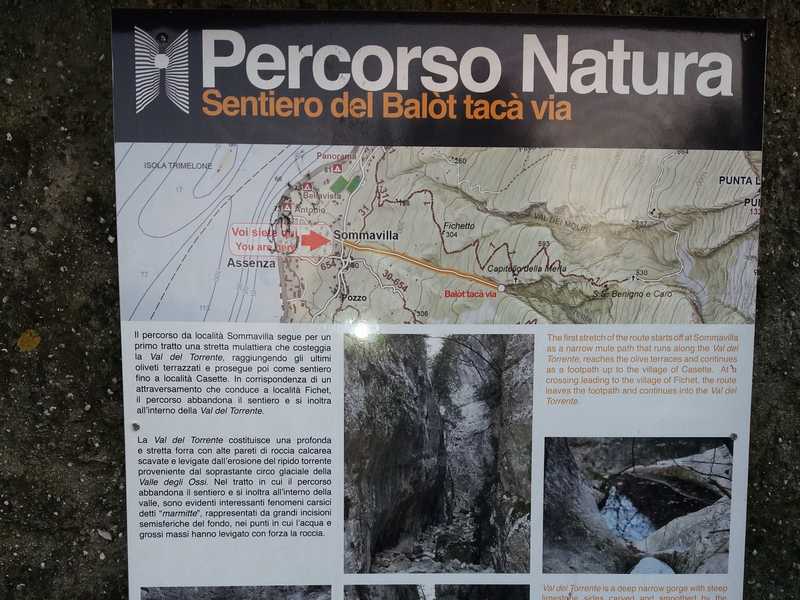
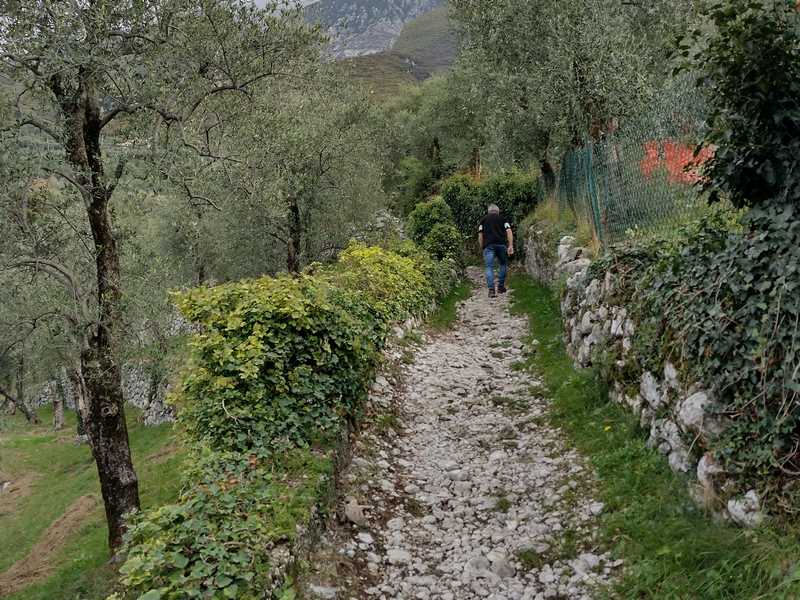
Imagine starting your morning with the aroma of coffee on our terrace. Just a few minutes by car or a pleasant walk are enough to reach Sommavilla, the starting point of our adventure. The path begins almost shyly, winding its way through the “marogne,” the typical dry-stone walls that support the centuries-old olive trees of Brenzone. Here, the sun warms your skin and the lake glimmers behind you.
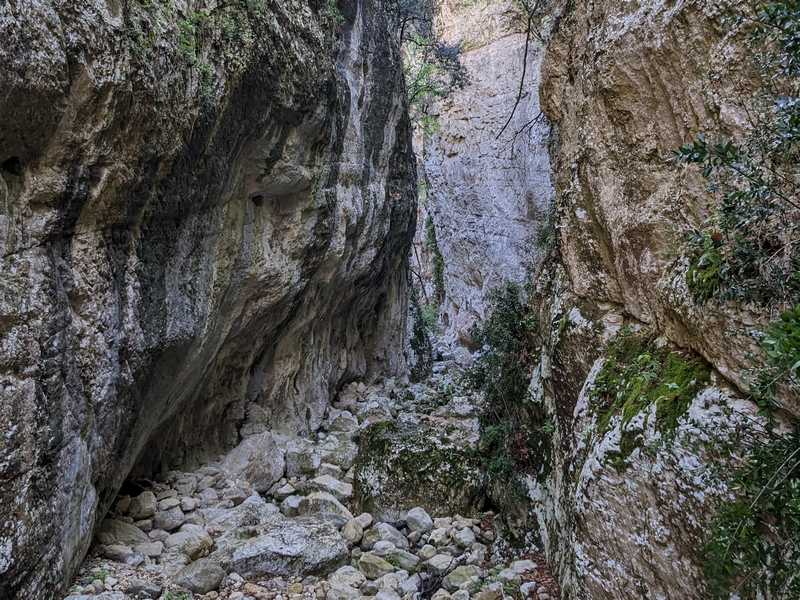
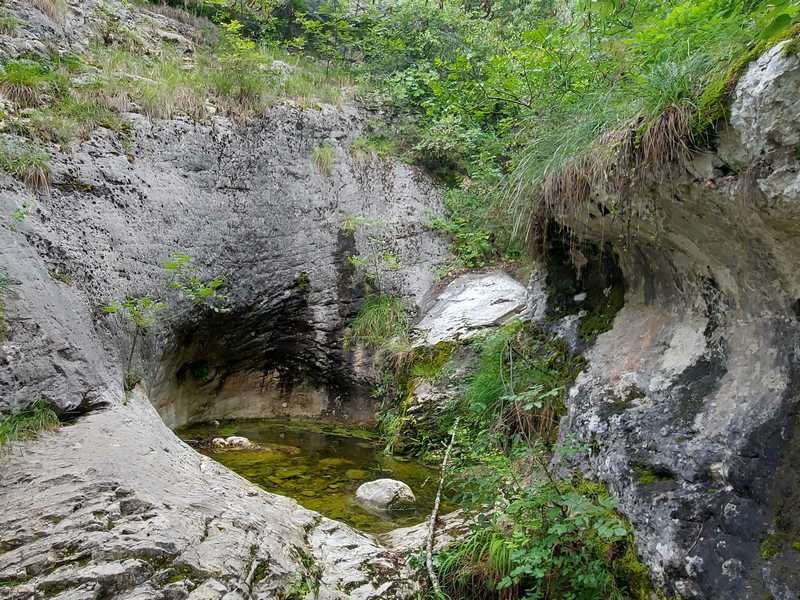
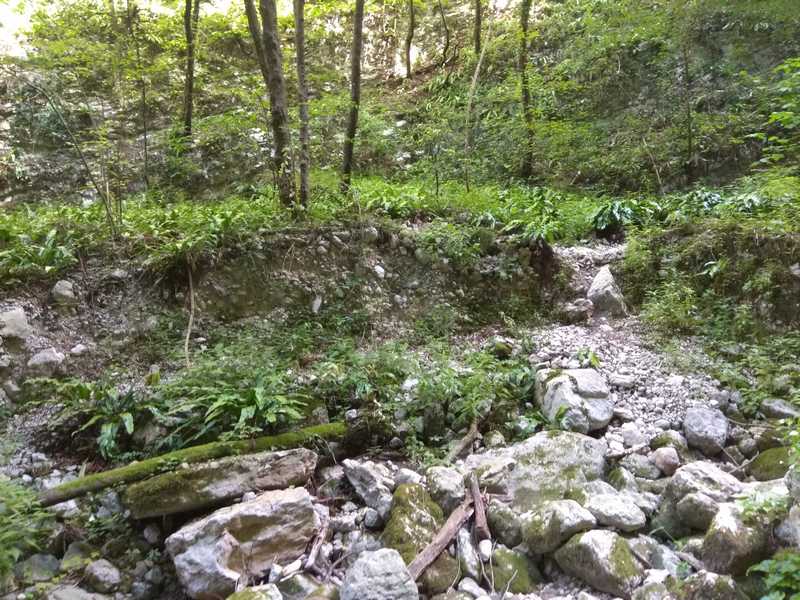
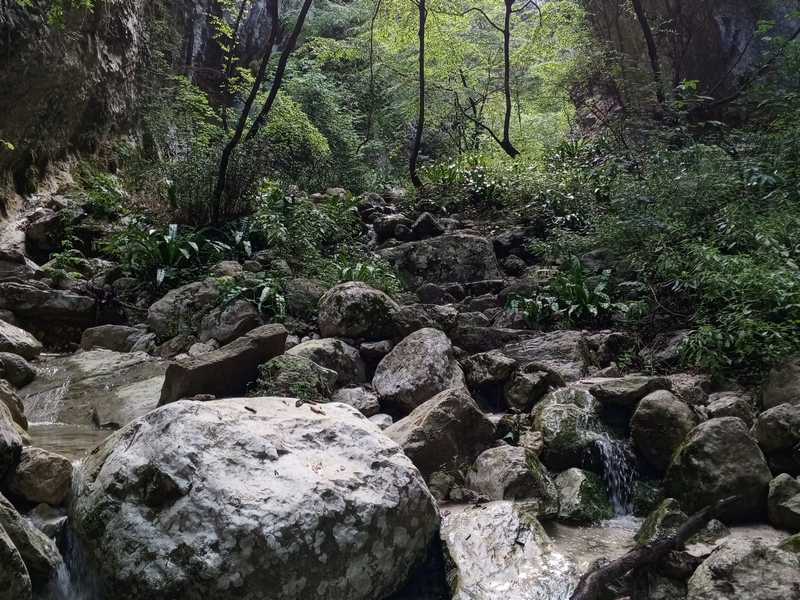
However, it only takes turning toward the bed of the Val Torrente for everything to change. It is like crossing an invisible threshold. The temperature suddenly drops, the air becomes heavy with humidity, and the noise of civilization is replaced by the crackling of gravel. The walls of the gorge begin to close in, vertical and smoothed by water over millennia. You have entered the realm of mineral silence, where every step brings you closer to a close encounter with the “hanging giant.”
The geological origin: how did that boulder end up there?
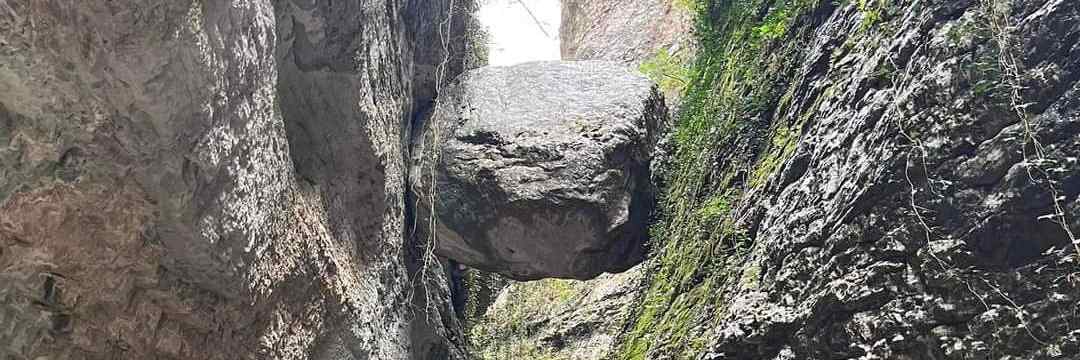
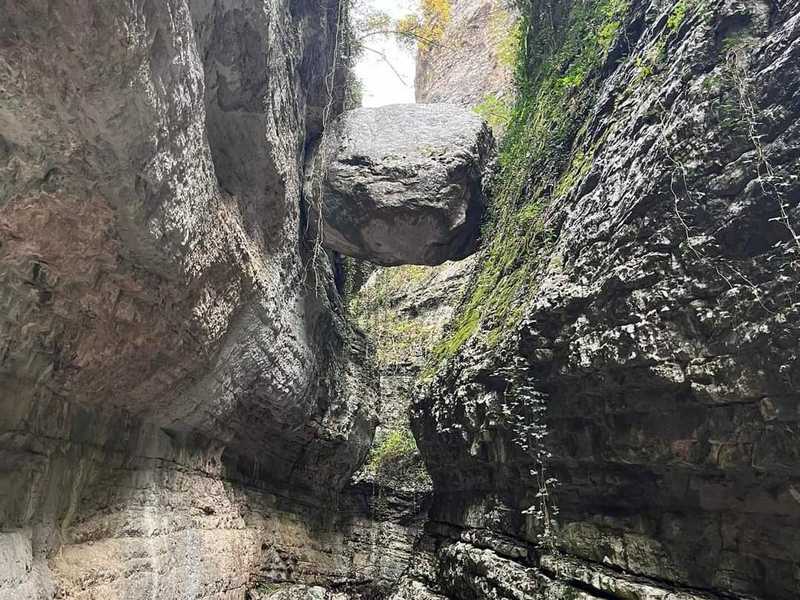
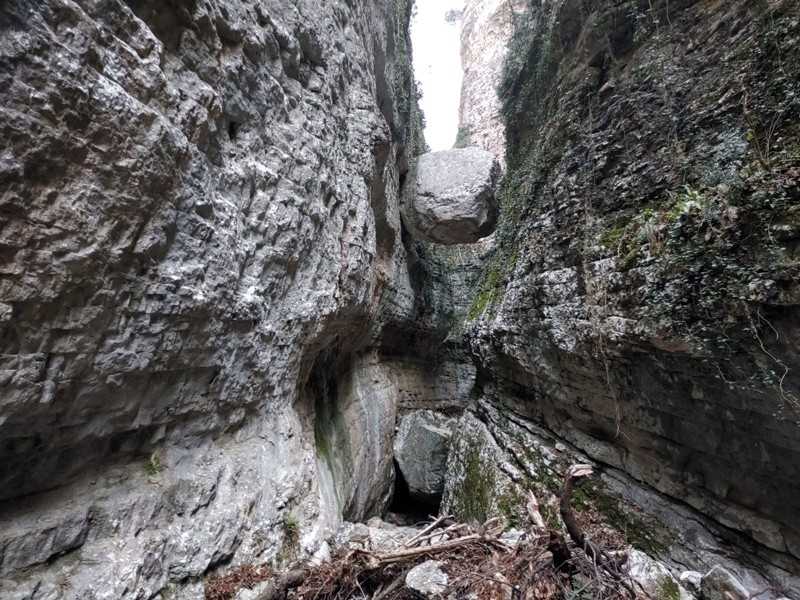
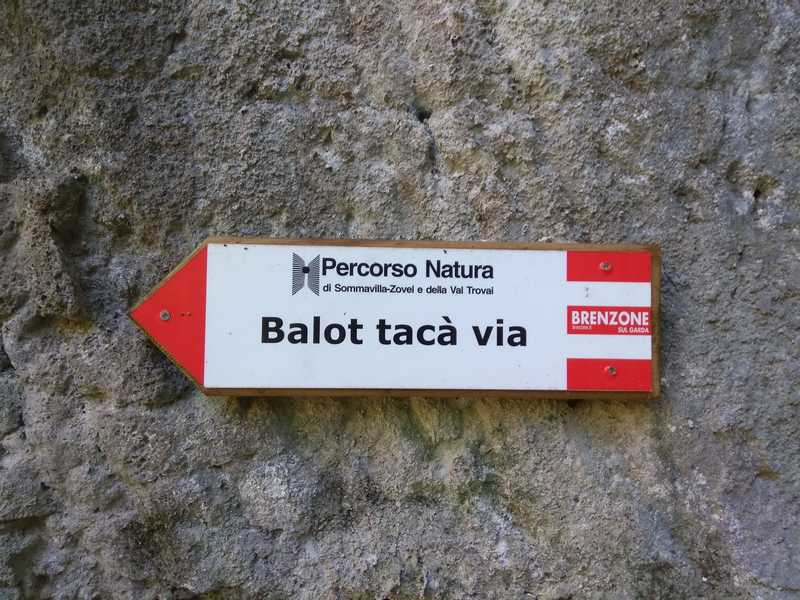
The Balot Tacà Via (literally “the great hanging boulder”) is not a human construction, but a masterpiece of chance and gravity. From a geological perspective, we are looking at a block of grey limestone, the rock that forms the backbone of Monte Baldo.
But how did it get wedged right there? During the post-glacial eras, the mountain slopes—no longer supported by the mass of ice—underwent major erosion and landslides. The Balot rolled down from above, likely during a debris flow or due to a local collapse. At that point, the gorge of Val Torrente features a natural bottleneck: the boulder, with a diameter greater than the width of the passage but insufficient momentum to continue falling, became literally “pinched” between the walls.
What fascinates is its balance. Despite the floods of the stream, which over centuries have further carved the floor of the gorge, and the area’s minor seismic tremors, the Balot remains immobile, held in place by colossal lateral pressure. It is a reminder of the power of the natural forces that shaped Lake Garda.
A unique microclimate: the flora of Val Torrente
Monte Baldo is celebrated as the Hortus Europae for its extraordinary biodiversity. But the Balot gorge is a garden within a garden. Thanks to thermal inversion, plants that usually thrive at high altitudes or in strictly alpine environments survive here.
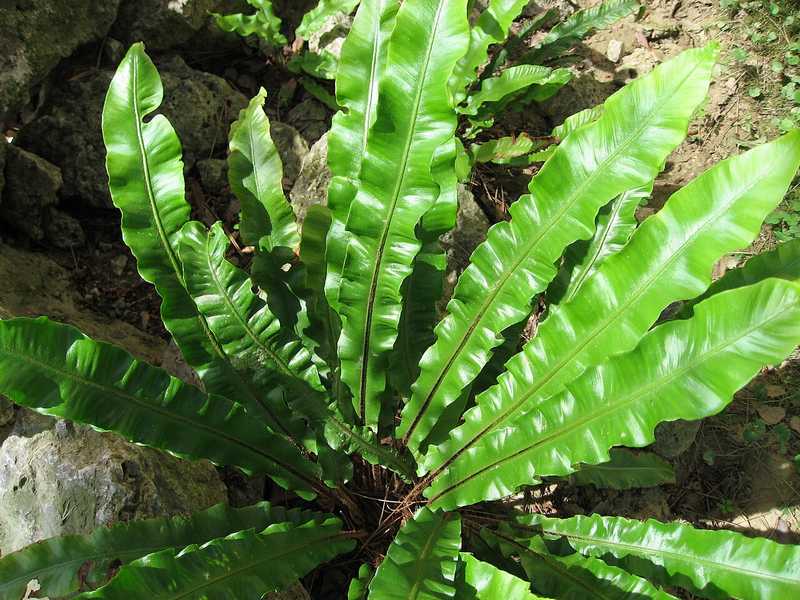
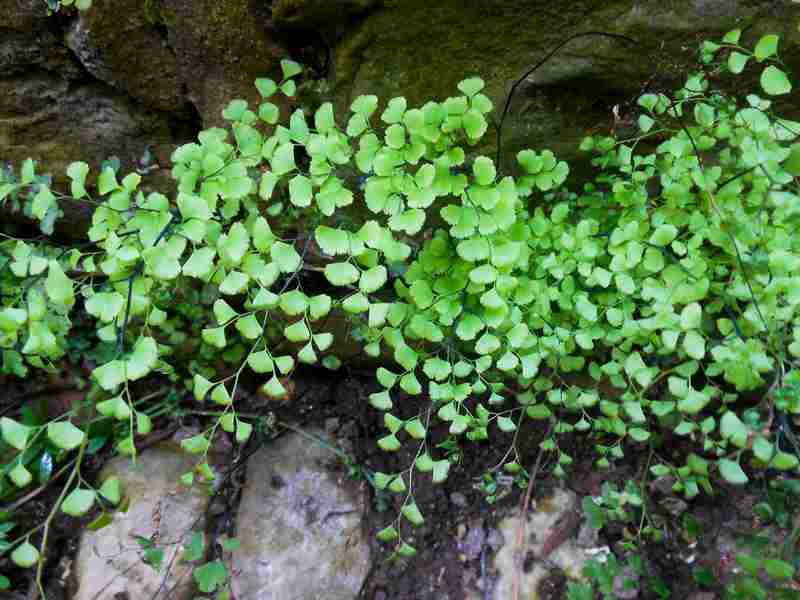
As you make your way upstream, observe the rock walls: they are covered with a carpet of Hypnum moss and cascades of maidenhair fern (Adiantum capillus-veneris), a delicate fern that grows where water slowly trickles. But the true queen is Hart’s-tongue fern (Asplenium scolopendrium), with its glossy, undivided leaves that give it an almost tropical appearance.
Looking higher up, you will notice the holm oak (Quercus ilex), capable of rooting in bare rock crevices, and the manna ash, which perfumes the gorge in spring. This contrast between the sun-drenched olive trees outside and the humid “jungle” inside makes the hike a complete sensory experience.
Between history and legend: tales of the elders
A place like this could only inspire stories. The elders of Brenzone tell that the Balot was placed there by a mountain giant to prevent intruders from uncovering the mountain’s secrets. Others whisper of an ancient hermit whose prayer stopped the boulder just as it was about to crush his shelter.
Beyond myth, we know that this gorge was a strategic location. During wartime, its caves hidden behind the boulder served as secure storage for food or as a refuge for those fleeing troop movements along the Gardesana road. For the youth of the last century, reaching the Balot was a rite of passage: touching the “belly” of the rock meant understanding and respecting their land.
Technical sheet: how to reach the Balot
To help you plan your excursion, here are the practical details:
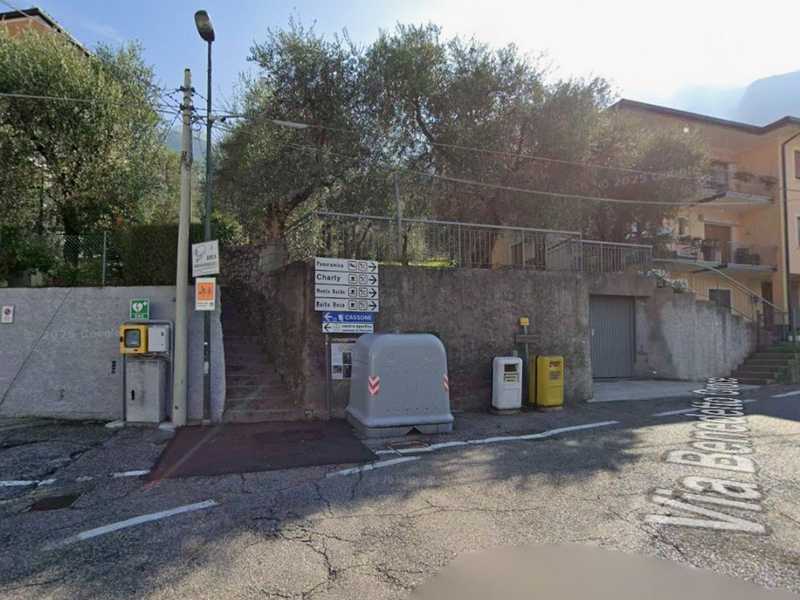
- Starting point: Sommavilla parking area (Via de Loc)
- Duration: About 45–60 minutes one way
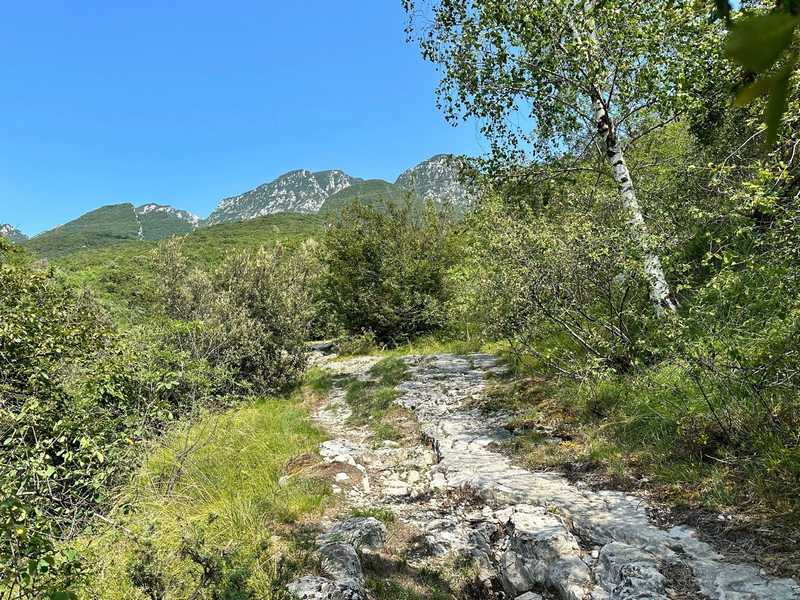
- Difficulty: Middle (E – Hiking). The route involves walking on unstable stones and climbing a vertical metal ladder of about 2 meters at the entrance to the gorge.
- Equipment: Hiking shoes with good grip are mandatory. Absolutely avoid sandals or smooth-soled sneakers.
- Tip: Bring a light jacket, even in summer. The temperature inside the gorge is significantly cooler than along the lakeshore.
FAQ: Important information
Is it dangerous to go to the Balot?
It is not dangerous for people in good physical condition who are used to hiking, provided it is done with proper footwear and in good weather conditions. However, it is strongly discouraged for elderly people or those with mobility issues, and in case of rain or storms (even forecast), as the gorge can turn into a water funnel and there is a risk of falling rocks.
Can I bring my dog?
Only if you are able to carry it. The metal ladder at the entrance is vertical, and dogs cannot climb it on their own. If your dog is small and fits in a backpack, there is no problem.
Is the hike suitable for children?
Not suitable for children due to the difficulty of the route and terrain.
Is there water in the stream?
The streambed is usually dry or has only a small trickle, except after very heavy recent rainfall.