Content
Soave, the white wine from Verona
Fresh, mineral, and waiting to be rediscovered
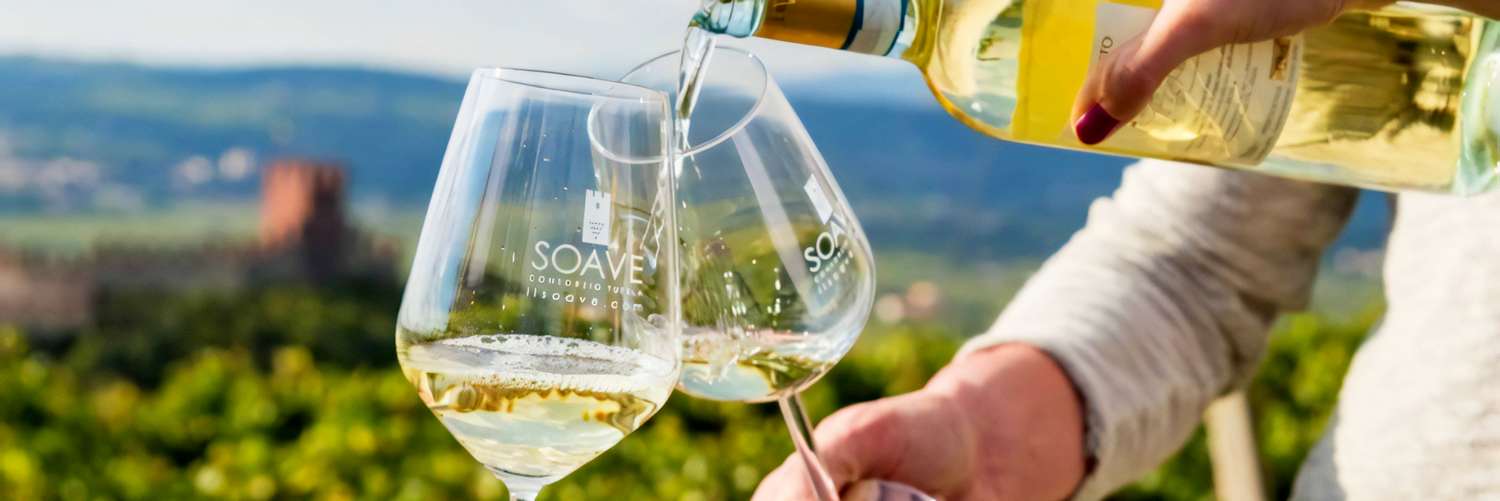
When discussing Italian white wine from Veneto, Soave wine is one of the most recognizable names. For decades it was considered simple and easy-drinking. In reality, Soave DOC represents one of Italy’s most historic and terroir-driven white wine regions.
Behind a bottle of Soave there is not only a fresh white wine for aperitifs, but also a specific territory, volcanic hills, zoning, stylistic differences, and one of Italy’s most interesting white grapes: Garganega.
Where Is Soave Wine Produced?
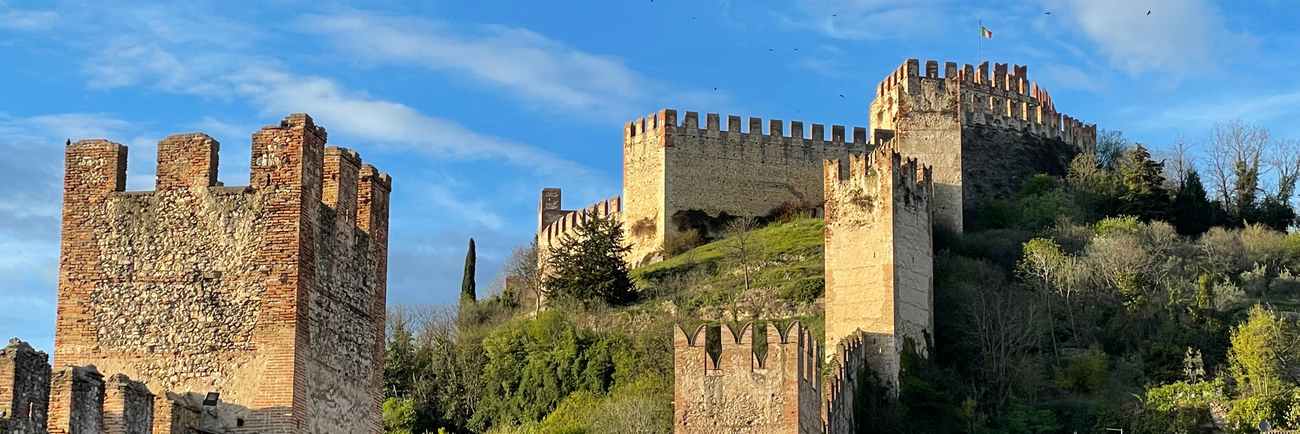
Soave takes its name from the medieval village of Soave, in the province of Verona. We are in the eastern part of Veneto, in a hilly area that stretches between Verona and Vicenza. Here, the landscape is made up of gentle slopes, orderly vineyards, and volcanic soils that play a fundamental role in the wine’s aromatic profile.

Main appellations include:
- Soave DOC
- Soave Classico DOC
- Soave Superiore DOCG
- Recioto di Soave DOCG
The main difference concerns the production area and quality level. Soave Classico comes from the historic and most suitable area, while Soave DOC can include larger, flatter areas. Soave Superiore DOCG has lower yields and more stringent requirements. Recioto di Soave is the sweet version, made from dried grapes.
Some History of Soave Wine
Viticulture in the Soave area dates back to Roman times. During the Middle Ages, the wines of Soave were already well known.
In the 20th century, Soave became one of the most exported Italian white wines globally. Overproduction affected quality for a period, but in recent decades the region has refocused on terroir, vineyard zoning, and lower yields.
Today, Soave is again considered a serious, mineral-driven white wine with aging potential.


Grapes: Garganega at the Core
The backbone of Soave wine is Garganega, which must account for at least 70% of the blend.
Garganega most important characteristics
- Late ripening
- Thick skin (ideal for drying)
- Good acidity
- Strong aging potential
Typical tasting notes include white flowers, citrus, pear, apple, and a signature almond finish.
Trebbiano di Soave may also be used to enhance freshness and elegance, and also some Chardonnay.

What Does Soave Taste Like?
Soave is generally a dry white wine.
Typical characteristics:
- Color: Straw yellow with greenish reflections.
- Aroma: floral (hawthorn, chamomile), fruity (pear, green apple, white peach), with citrus notes.
- Taste: fresh, balanced, with good flavor and a slightly bitter almond finish.
The Classico and Superiore versions can be more structured, with greater complexity and, in some cases, brief aging in wood.
Soave Classico, Superiore, and Recioto: the differences
Soave DOC
More immediate and lighter, ideal for young consumption. Excellent value for money.
Soave Classico
From the historic hilly area, often more mineral and deeper. It can evolve well over time.
Soave Superiore DOCG
Yields less in the vineyard, has a higher minimum alcohol content and greater structure. It is the most ambitious version of the appellation.
Recioto di Soave
Recioto di Soave DOCG is made from dried Garganega grapes. It is a sweet, intense, golden wine with hints of honey, dried apricot, and candied fruit. Sweet, yes, but always supported by freshness and acidity.

Food Pairings
Soave is one of the most versatile white wines for dining.
Perfect with:
- Light appetizers
- Baked or grilled fish
- Seafood
- Vegetable risottos
- Vegetarian dishes
- Delicate white meats
Soave Classico also pairs well with medium-aged cheeses. Recioto di Soave is ideal with dry pastries or blue cheeses.


Serving and Aging
- Temperature: 8–10°C (up to 12°C for structured versions).
- Glass: medium tulip.
- Storage: cool place, away from light and temperature changes.
Basic Soave should be drunk within a few years. The best Classico and Superiore versions can evolve for up to 8–10 years, developing more complex notes of honey and ripe fruit.
A wine to be appreciated
For a long time, Soave paid the price for large-scale distribution and high yields. Today, however, many producers are working with great attention to quality, enhancing individual vineyards and volcanic soils.
Those who love mineral whites, fresh but with personality, find in Soave a valid alternative to many more prestigious international labels. The quality-price ratio remains one of its strengths.
Soave wine from Veneto is not just a fresh white wine for aperitifs, but a historic appellation that today expresses quality, territorial identity, and great drinkability. It is a wine that combines simplicity and depth, to be discovered and appreciated.